After Coastguards’ POOR rating, who’s testing for what on the Erme?
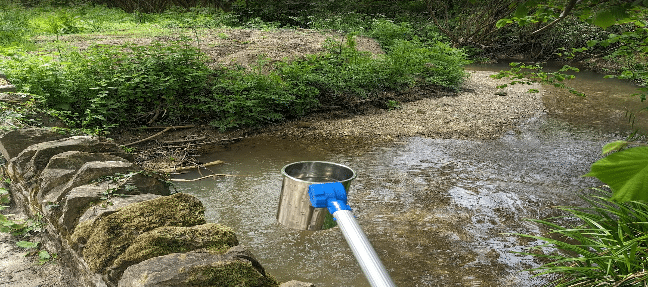
Water testing takes many different forms, so we thought it would be helpful to explain who is doing the testing and some of the test methods being used.
What is the Environment Agency doing?
The EA have been testing at Mothecombe, Coastguards, Holbeton, Ayleston, Sheepham and Sequers Bridge. Currently, this testing will only happen during the bathing season.
What is South West Water doing?
Because of the ‘Poor’ status of Coastguards, SWW are also required to work with the EA to develop a plan to significantly improve the current results. To do this SWW will have to conduct two days of sampling, throughout the tidal cycle, with the intention of building a better picture of how the tidal stage impacts water quality. They will also be testing water at Mothecombe, Coastguards, and upstream of Coastguards. The frequency of sampling and duration is not clear.
What is WATER doing?
WATER is keen to help feed into both the bathing water season sampling but also longer term monitoring. We have been awarded funds from Surfers Against Sewage to test water quality, at Coastguards, every week for one year (until May 2026). It is hoped this will develop a better understanding of water quality over the whole year. The EA’s ‘bathing season’ ignores the fact that many people use the water all year round for kayaking, paddle boarding and surfing as well as year-round swimming.
What are South Hams District Council Doing?
SHDC have a project running in collaboration with Valeport, a company that builds instrumentation for marine environments and the University of Plymouth. They are installing 6 sensors across the South Hams that will provide real-time continuous water quality readings. Test sites include the lower Erme.
How is water quality measured?
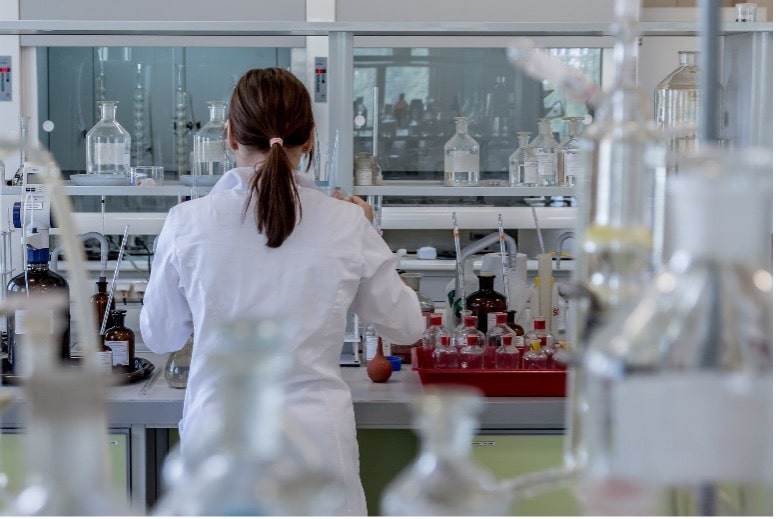
Both the EA and SWW undertake laboratory testing on water samples. This is done to measure the levels of E.coli and Enterococci in the water. These are potential risks to human health but WATER is concerned not only for people’s health but for the health of all wildlife living in or along the river.
The Environment Agency tests for E. coli and intestinal enterococci in bathing waters because these bacteria are internationally recognised indicators of faecal contamination. Typically, they are indicators of sewage or animal waste pollution. The bacteria do not usually cause illness directly, at levels found in bathing waters, but at higher concentrations they can be indicators of other pathogens that can cause illness in bathers.
How is WATER testing its samples?
While lab testing of water is the wider standard, it also requires samples to be posted and tested in a lab within 24hrs of the sample being collected. This can be problematic for volunteers and therefore WATER is using a technology called Bacterisk by Molendotech, a company developed by the University of Plymouth.
The test doesn’t identify which bacterial species are present. It measures a proxy (endotoxin) which indicates risk but not specific organisms. For example, it does not tell you whether E. coli, Salmonella, Vibrio, etc., are present.
How is SHDC testing its samples?
SHDC has been working with Teledyne Valeport, based in Totnes, to develop a monitoring approach based on a suite of high-quality continuous sensors that can monitor physical chemical and biological change within the water.
Each individual sensor provides useful data, but in combination this is enhanced.
We hope in future to make our results available via our website/social media and will be able to provide updates at our annual public meeting.