
Land-Based Workstream
Farmed Land
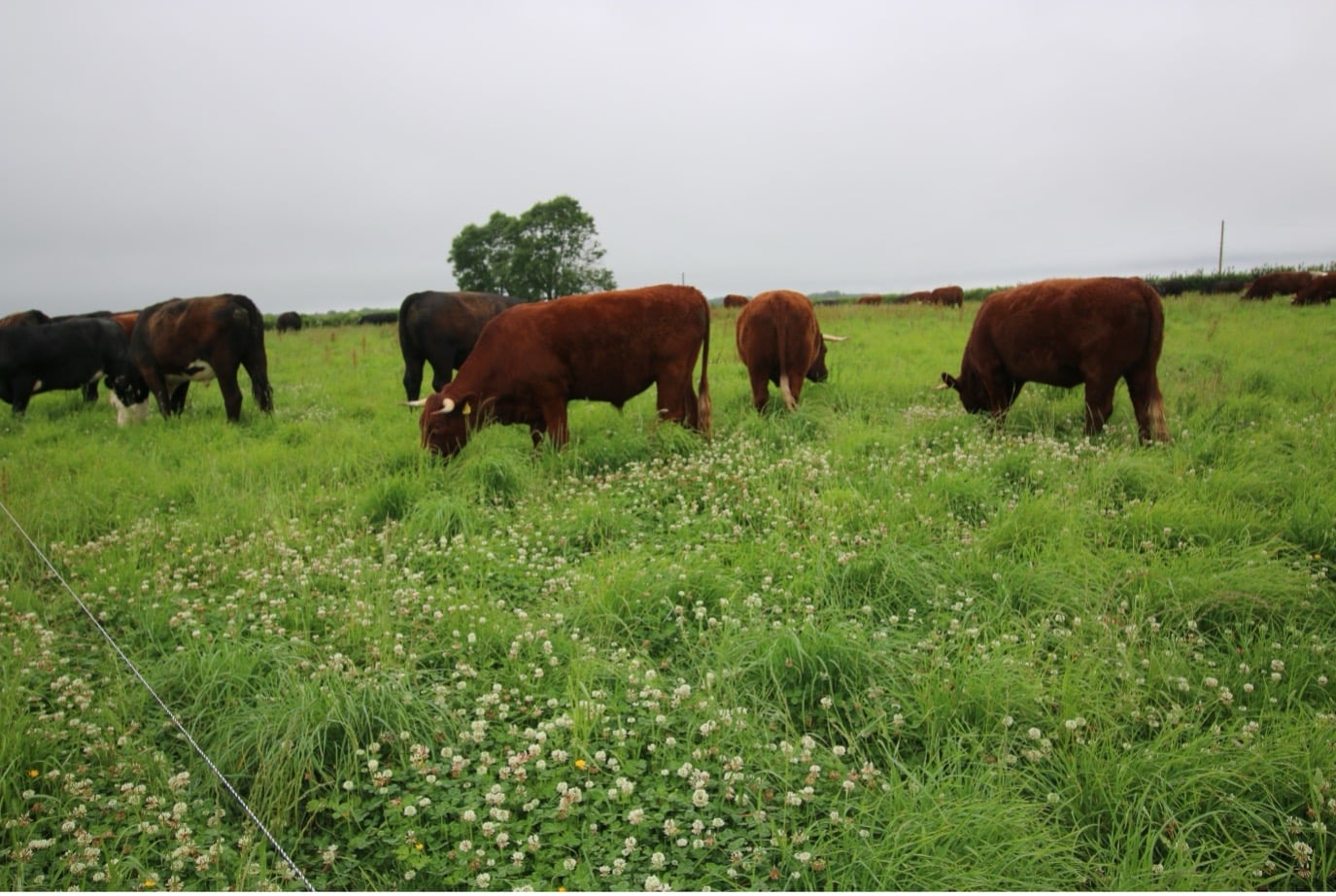
Regenerative Farming near the Erme Estuary
WATER is actively encouraging regenerative farming techniques.
Brownswell and Minchinhay Farm on the Flete Estate is a 300 acre beef farm being operated on regenerative farming principles. The cattle (Devon Reds and Angus) are on herbal leys and permanent pasture which provide a wide diversity of grasses, herbs and legumes. These are more nourishing and palatable than a typical grass monoculture and much better for the soil.
The varying root depths of the plants enable water and nutrients to penetrate deeper into the soil increasing beneficial micro-organisms and improving soil health.
Cattle are moved daily, so that pasture is never over-grazed or poached up and thus recovers more quickly. Livestock manure is more dispersed and breaks down easily, accelerated by worms, beetles and other organisms further nourishing the soil and avoiding the need for fertilisers such as nitrogen and phosphates which in turn avoids runoff into waterways connecting to the river.
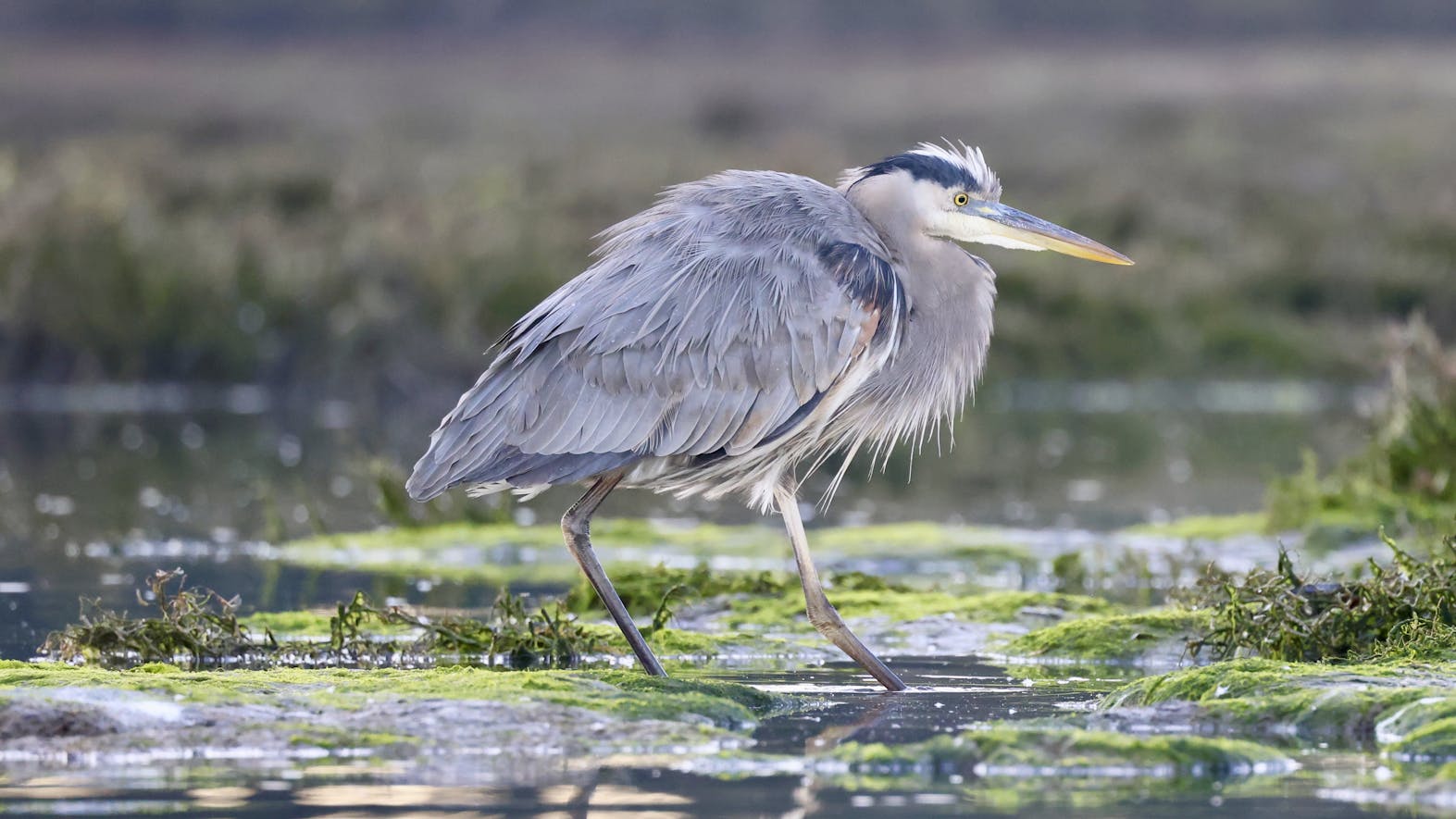
Creating and expanding wetlands
There are many different tributaries and feeder streams that run into the Erme river and estuary. Despite efforts to stop pollutants entering the watercourses, many will be carrying some level of pollution.
Creating wetlands can play a vital role in helping to improve water quality by filtering out pollutants that pass through naturally occurring or newly created wetlands. These solutions are a simple, sustainable and nature-based method of tackling pollution.
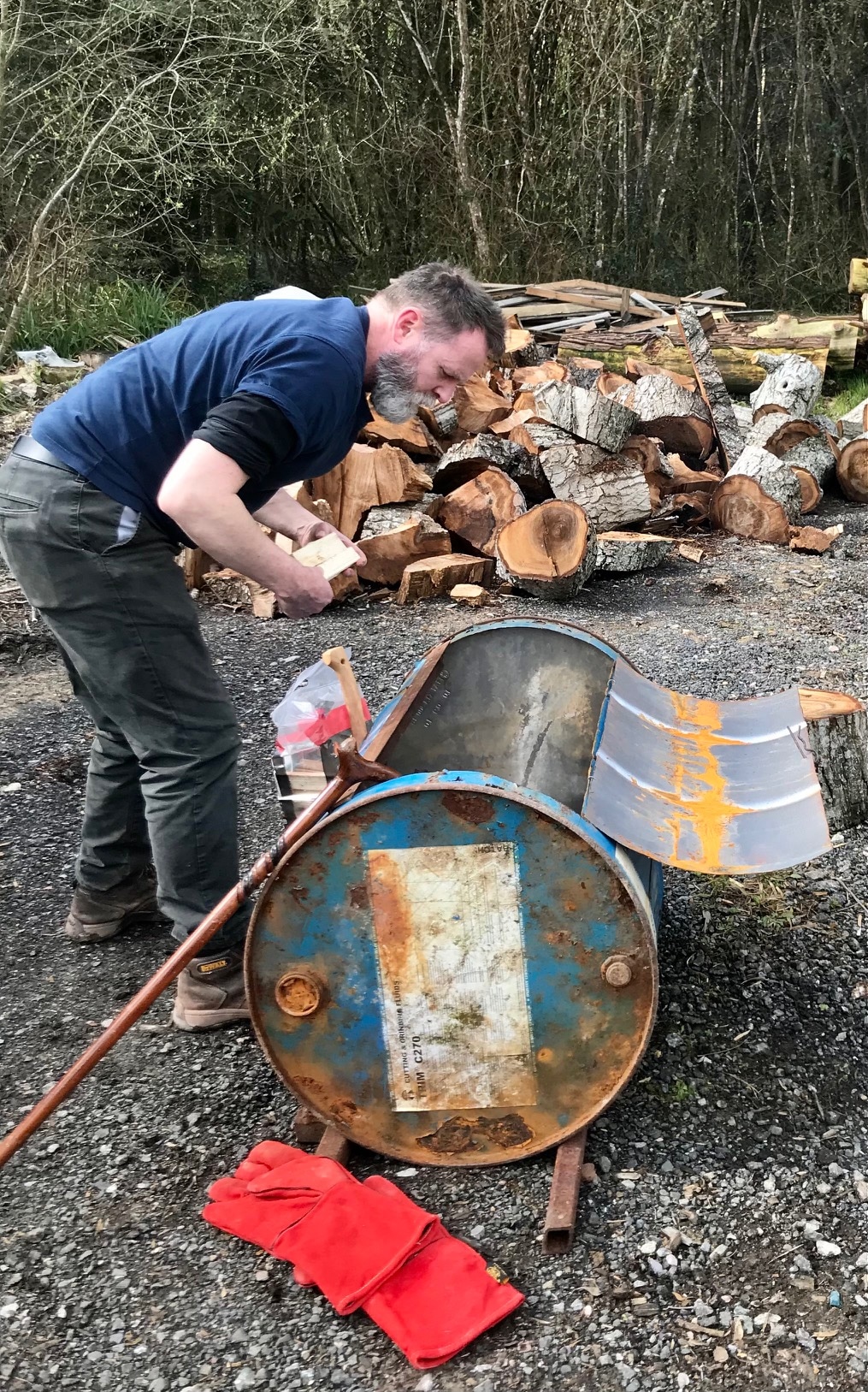
Biochar Field Test – Flete Field Labs
Biochar looks like charcoal and can be produced from wood or other plant-based matter by burning it in a retort, where both temperature and oxygen levels can be carefully controlled.
Flete Field Labs, in the lower Erme valley, are producing biochar for a field trial in a nearby 5 hectare field, grazed by cattle. The test is now in its third year.
The biochar is crushed into small nugget size pieces, around 10mm, before being broadcast and raked into the test site. The movement of grazing cattle helps the biochar to penetrate the soil.
Biochar is being trialled because soil biodiversity, and the many biological processes and soil functions that it supports, is under threat.
Unlike traditional fertiliser, biochar works by improving the soil structure and fertility. This is achieved through the porous nature of biochar. It allows both air and water to better penetrate, and be retained in, the soil. It also facilitates the retention of nutrients leading to a reduction in surface and ground water runoff of fertiliser, which would otherwise leach into watercourses that flow into the river.
Due to it’s unique properties, biochar is able to hold onto nutrients like calcium, magnesium and potassium which helps reduce the acidity of the soil.
Year two test results showed a substantial increase in soil microbiology.
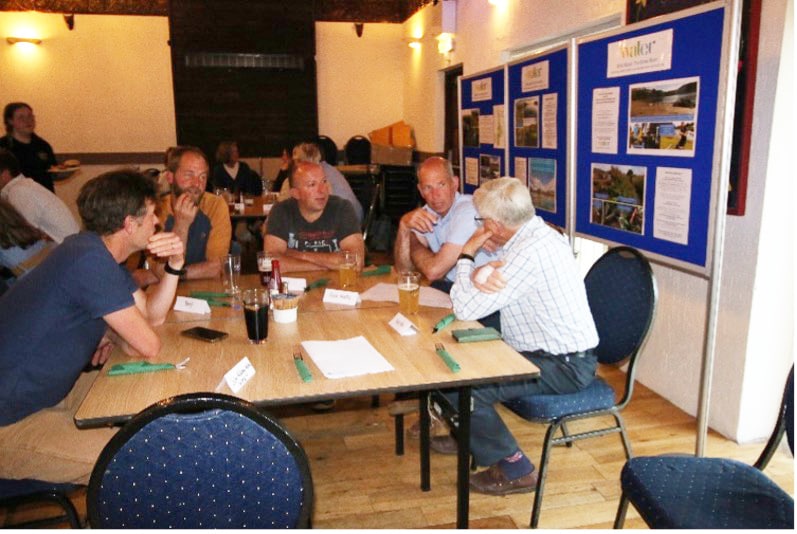
Networking with our Local Farmers
WATER recognises that farmers are facing more demands and challenges than ever in a fast-changing world. Increasing costs, the impacts of climate change and shifts in government policy can all be difficult to predict and manage.
That’s why WATER has started a series of networking events to bring together like-minded farmers in the Erme catchment to share ideas, opinions and experiences.
Our first event co-hosted by WATER and CSF (Catchment Sensitive Farming) saw farmers from over 20 local farms meet in a relaxed atmosphere where WATER gave a presentation about what we are doing and how we want to work with farmers to find the right balance between preserving nature and preserving income.
CSF’s presentation explained the many ways they could assist with locally-relevant tailor-made programmes of assistance.
During the evening, farmers sat in group workshop sessions, sharing ideas and responding to questions we had posed. It was extremely encouraging to find those discussions continuing when the formal part of the evening closed. This is definitely a format WATER will be repeating.
WATER will be expanding its work with our Farmers Network thanks to a grant from DEFRA’s FiPL (Farming in Protected Landscapes) programme which will fund co-ordinated farm visits, GIS mapping and workshops.
How you can help
There are many ways you can help us protect and restore water quality and habitat in the beautiful river Erme. To find out how, just click SUPPORT US