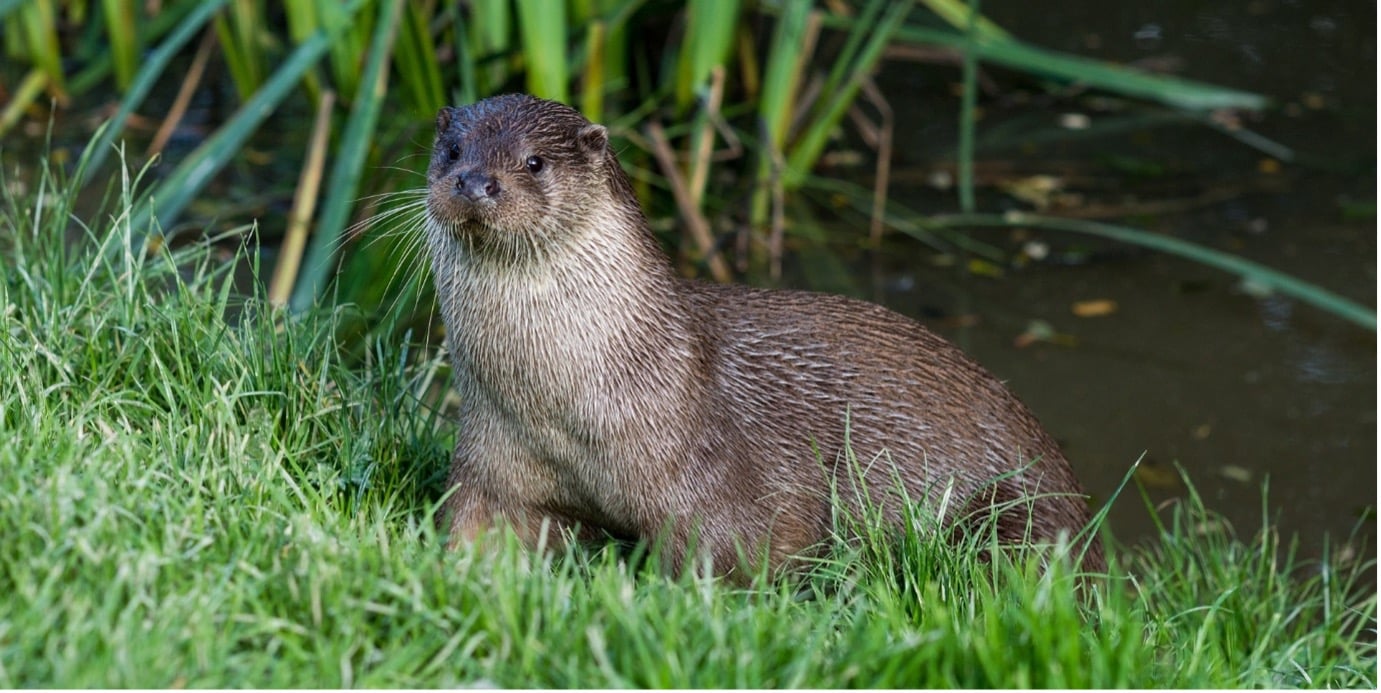
Operation Otter is now under way with a team of trained spotters
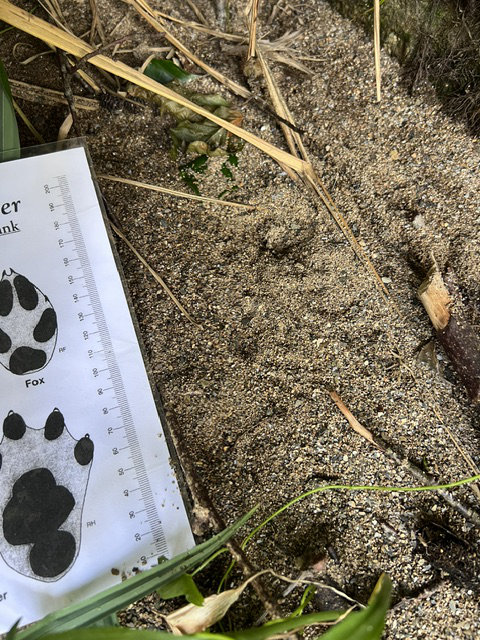
On a fine evening in late May, some sixteen volunteers gathered for an otter survey training event. This would mark the launch of WATER’s community-led otter monitoring programme across the River Erme and its tributaries. The event was split into two parts: an indoor briefing session followed by a practical riverside survey within the Erme catchment. It was led by Eleanor Knott, from Devon Biodiversity Records Centre (DBRC) and Lynne Kenderdine from Devon Wildlife Trust (DWT) and the training focused on learning how to search for field signs of otters.
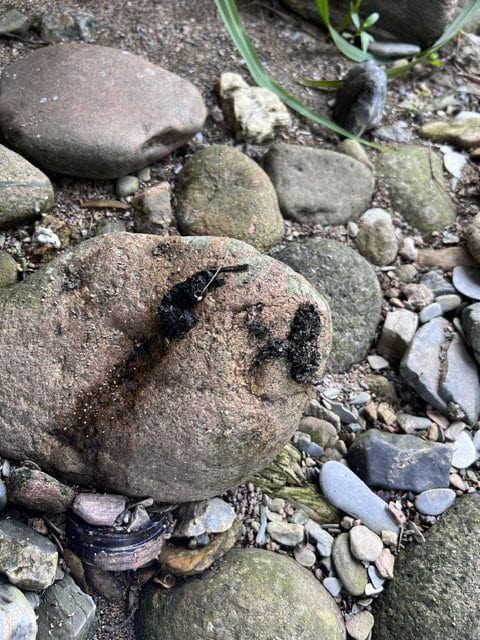
Encouragingly, signs of otter spraint were discovered during the evening, confirming otter activity in the selected section of river.
WATER’s aim is to survey the entire catchment and build a comprehensive picture of otter distribution by identifying not only where otters are present but, crucially, where they are absent. The surveys will provide vital data on this apex predator’s use of the river system and simultaneously identify wider indicators of the river’s health.
Our otter surveys are expected to increase
Surveys are conducted quarterly, and within the first month of the programme, two further river locations have been confirmed with otter presence. Those volunteers will now continue to monitor their designated river sections, tracking habitat quality and otter populations to ensure they remain safe and stable. This monitoring data will feed directly into WATER’s Catchment Action Plan, and the programme is expected to expand in the coming months. The data will also be shared with Devon Biodiversity Records Centre so it can be fed into national databases.
Recording more than just otters
Alongside Otter surveys, volunteers were also trained in how to survey the watercourse for signs of mink and to collect information on otter habitat and report issues such as invasive species and pollution. We have already identified a patch of Himalayan Balsam that was not on the Invasive Non Native Species (INNS) register, thanks to a volunteer noting this during their otter survey. Naturally, we are requesting that this should now be added to the INNS map online/app. WATER will also update the appropriate reach assessment in our Catchment Action Plan.
Who knew data capture could be so satisfying?
Beyond the data they collect, our ‘otter spotters’ are gaining something equally valuable: new skills and a deeper connection to the river and to nature. They are using their newly developed skills to read the riverbank habitat, identify otter field signs and to noticing other fauna and flora along the way. Our volunteers are becoming true river guardians. Spending more time on the river gets them out in nature, growing their knowledge of otter species’ behaviour and understanding the interconnectedness of the riparian environment. Their reward comes from knowing they are contributing their time to the charity’s work in a way that both matters and will make a meaningful contribution to restoring the health of the Erme’s river system for future generations.