Update on the CAP – The more we observe, the more we see
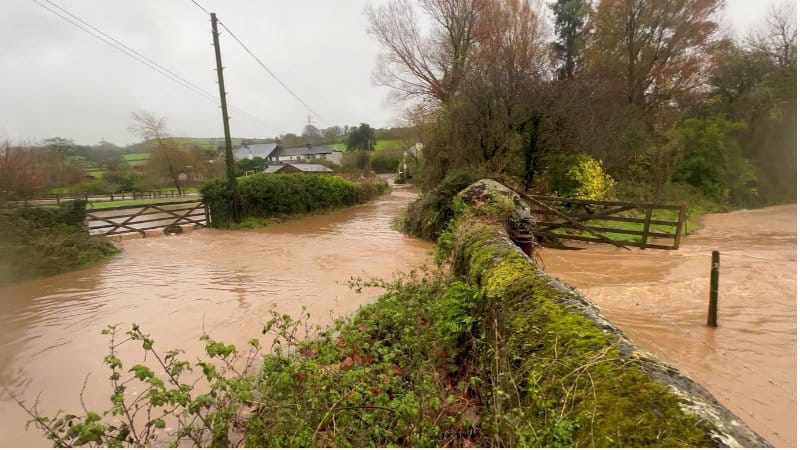
Restoring a river is a complex and ambitious task. It starts with establishing a deep understanding of how the river system evolves across its many reaches – on both the main channel and its tributaries, and the factors that affect it. Our Catchment Action Plan (CAP) is the essential tool that will provide us with an evidenced-based road map for protecting and restoring the water body of the Erme and its habitat.
We are really getting to know our river
We have now completed 38 of the 40 reach assessments we identified. Each one captures detailed information about the river’s physical condition, such as channel dimensions, riverbed composition, bankside vegetation and surrounding landscape, along with the pressures affecting that stretch and evidence of their impacts. It’s hands-on fieldwork that’s building a clear, reach-by-reach picture of the Erme
This helps us understand how the water body interacts with the physical landscape features that contain it. While that sounds like (and indeed is) a very science-based approach it has also meant walking multiple stretches of the river and recording the pressures and impacts on its banks, bed and riparian vegetation. Just like people, a river has many different physical features and characteristics that give it a unique and complex personality. What the river experiences through climate change and land use may change the river’s character over time, depending on how those events impact on different reaches, but it is all part of one living landscape. We are really getting to know our river.
Filling in the gaps
Our next stage of the CAP is to begin filling in the gaps in our knowledge of the Erme. These include fish populations, wildlife, biodiversity, water quality, invertebrate population and species diversity and areas prone to flooding. We will supplement our own first-hand knowledge by seeking data from external sources such as the Environment Agency and engaging with local people who have intimate knowledge of their stretch of the river.
Once we’ve filled in these gaps, the next step is to start building projects and setting measurable targets that will form the backbone of our action plan. This will ensure every intervention is evidence-based and focused where it can make the most difference.
Targeting and prioritising
The CAP is building into a holistic picture of the Erme, which will be invaluable in helping us develop our action plan. That plan will be driven by data and carefully targeted to those areas where we have identified pressures that impact on the river, and where sustainable, nature- friendly interventions can be made to help ease those pressures.
Deciding on priorities will be a complex task as it will depend on factors such as need i.e. where are pressures causing the greatest ecological impact, riparian approval for access, the feasibility of interventions and their affordability i.e. how they can be funded. We have also to be flexible enough to consider pragmatic approaches, for example, where circumstances come together to provide an opportunistic approach, enabling a particular intervention, already in the plan, to be fast-tracked.
We cannot do this alone. There are many ways to help
Collaboration is a policy that runs through many aspects of WATER’s work. We need the knowledge of local people. We need volunteers who will help with both the gathering of local information and data and to implement the plan once it is completed. We need people to join WATER as a Member of our Charity or to simply donate to enable us to continue our work. You can join as Member or volunteer on our website: