Water-Based Workstream
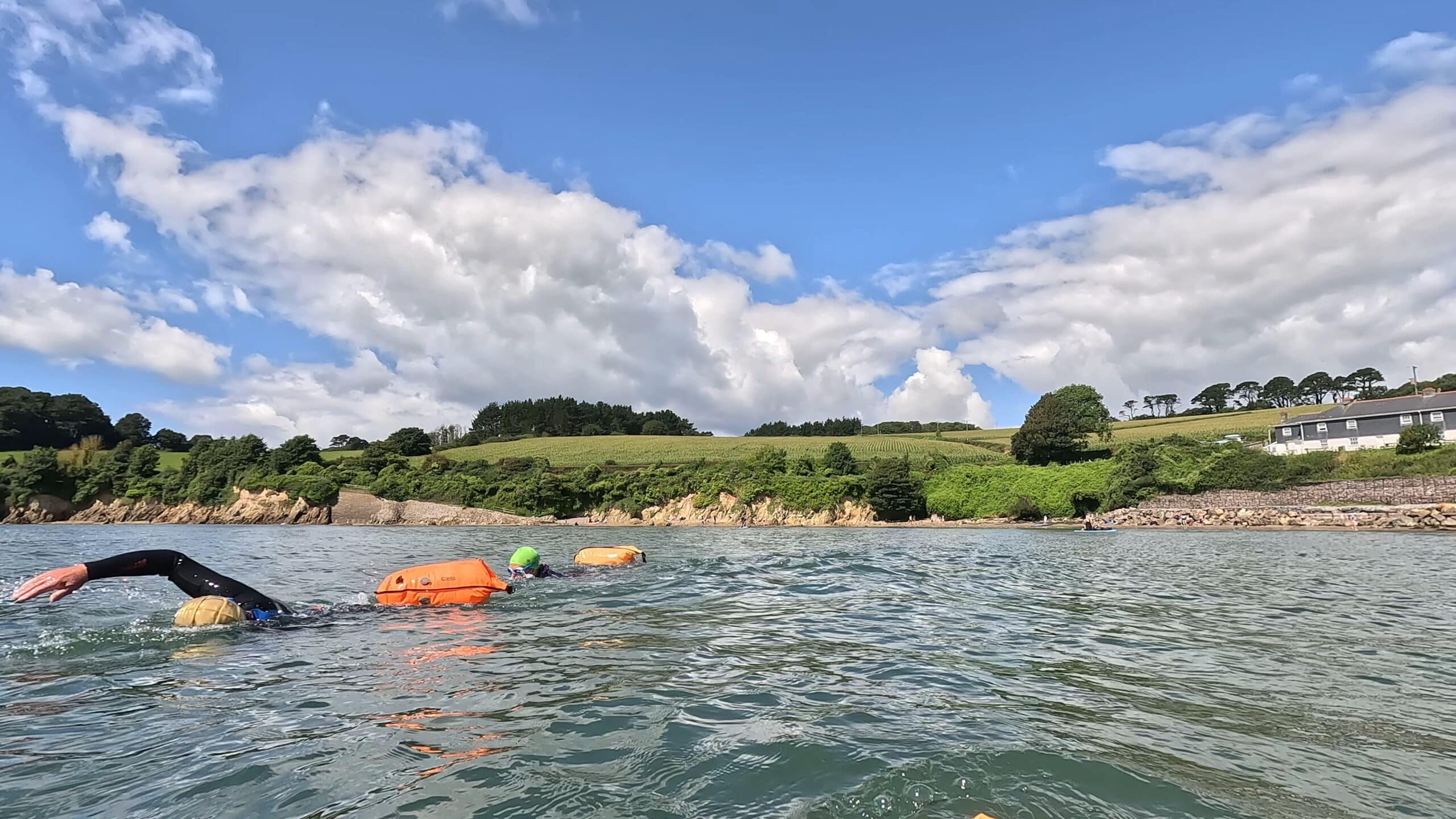
Coastguards Beach, Bathing Water Campaign
Background
In early 2024, Coastguards Beach was officially designated as Bathing Water. This meant that the water quality had to be tested weekly by the Environment Agency (EA) during the bathing season (15th May – 30th September).
The achievement of Bathing Water status was the result of a long campaign led by Emily Woodley on behalf of WATER. It was assisted by Surfers Against Sewage and supported by over 1,000 members of the local community.
What happened as a result of EA’s testing?
Based on their testing regime, the Environment Agency announced their 2024 classifications for all designated Bathing Waters in England at the end of November.
Of the 155 designated Bathing Waters in Devon and Cornwall, only three were given a ‘POOR’ classification, Sadly (but for us, unsurprisingly) Coastguards Beach was one of them. WATER had been monitoring the EA’s published test results as well as conducting our own tests so we knew what to expect.
What happens now?
The consequence of this ‘poor’ classification is that the EA is now required by law to investigate the nature and source(s) of the pollution and take steps to ensure that the issue is satisfactorily resolved. This involves further testing, tracing and identification of the type of pollution. Ecoli, for example, can be identified as coming from human or animal sources. Field runoffs from farmed land could be contributing to unsatisfactory levels of nitrates and phosphates, unbalancing the river’s ecosystem.
What is WATER doing?
WATER has met with the Environment Agency to offer assistance and cooperation in the EA’s investigations regarding the nature and source(s) of the pollutants. Our local knowledge and professional approach has been recognised and welcomed.
We know from our own and EA’s testing, downstream of SWW’s sewage treatment works at Ermington and Modbury (on the Aylestone Brook tributary) that sources of pollutants were identified.
Professional drone surveys of lower reaches of the river have been commissioned by the EA as part of their investigations to identify and trace possible pollution sources.
South West Water (SWW) has recently undergone significant management restructuring. WATER initiated a high level meeting with the new executive team which will continue with new executive responsible for SWW’s activities in the Erme catchment. A number of next steps were discussed and agreed along with an agreement to meet our requests for specific information. Further high level discussions and waste water treatment plant visits with senior managers have been arranged.
WATER has established a meaningful and ongoing dialogue with both the Environment Agency and SWW but we will not hesitate to hold both organisations to account.
We are pressing SWW for an acceleration of additional UV treatment to be installed at Ermington and Modbury waste water treatment plants. This expenditure has been in their Asset Management Plan for some time but has yet to be implemented. UV treatment neutralises pathogens rendering them incapable of reproducing and is typically applied to already-treated water immediately prior to it being released back into river systems.
WATER gains support from MPs in the catchment
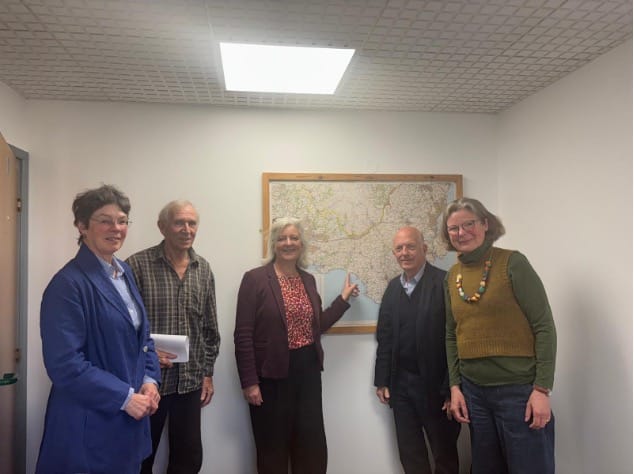
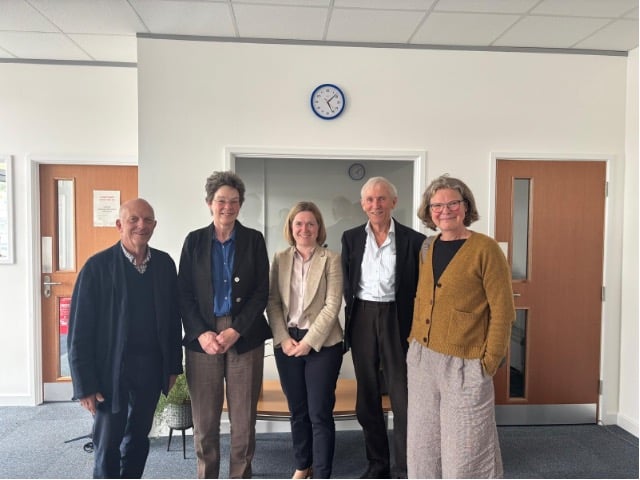
WATER has held separate meetings with Caroline Voaden MP and Rebecca Smith MP whose constituencies include parts of the Erme’s catchment. WATER submitted a list of requests for support on issues relating to improved legislative developments, following the Government’s review of Bathing Water regulations. We also requested oversite of the EA’s investigations into water quality at Coastguards Beach and the lobbying of SWW to accelerate the already-agreed introduction of biological UV treatment at their Modbury and Ermington Wastewater Treatment Works. This treatment neutralises pathogens rendering them incapable of reproducing and is typically applied to already-treated water immediately prior to it being released back into river systems. These requests for support were accepted by both MPs.
Surfers Against Sewage Water Quality and Illness reporting
SWW WaterFit Live
South West Water’s way of sharing with you near real-time data about their storm overflows, and whether they are impacting the quality of your bathing waters.

Water Quality Strategy
Like any river the Erme and its tributaries is a highly complex natural system, with many factors impacting its health and the biodiversity . We believe it is important to build an understanding of the ecosystem of our river so we can act from an informed position. Our goal is to be an evidence-based organisation implementing restorative programmes, whether on land or in the water, in the knowledge they will have a positive impact. We recognise this can only achieve this by working in partnership with other knowledgeable organisations that share our interest in the health of the Erme.
To build an informed understanding of our river and what impacts its health, we aim to take a systematic view across the Erme catchment with a five-point strategy.
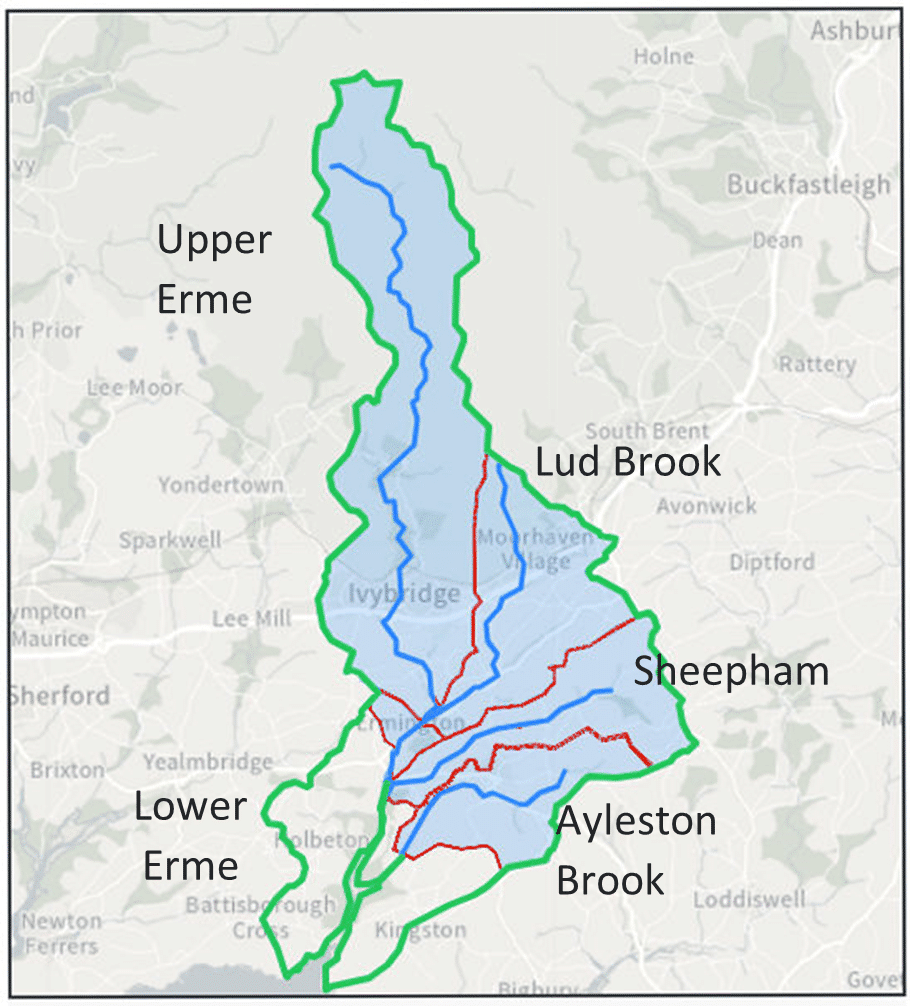
Partition: Divide the catchment using the water bodies matching those used by the Environment Agency
Map: Map the inputs and features of the Erme and its tributaries highlighting potential sources of pollution including wastewater treatment works, septic tanks, industrial pollution, agricultural and urban runoff alongside invasive species, barriers to fish migration and many more.
Measure: Determine what we need to measure to assess the health of the river whether that’s microbial, physicochemical or biodiversity. Establish what metrics to use and what “good” means for each metric.
Monitor: Establish a baseline from which we can observe anomalies and long-term change, compare with other rivers, and attempt to link observations back to mapped inputs to identify causal links.
Restorative Action: Use our understanding of our river to address or mitigate the detrimental impact of causes by developing initiatives to address identified issues, use regulatory frameworks to our advantage and lobby key organisations.
Citizen Science WRT Water Testing
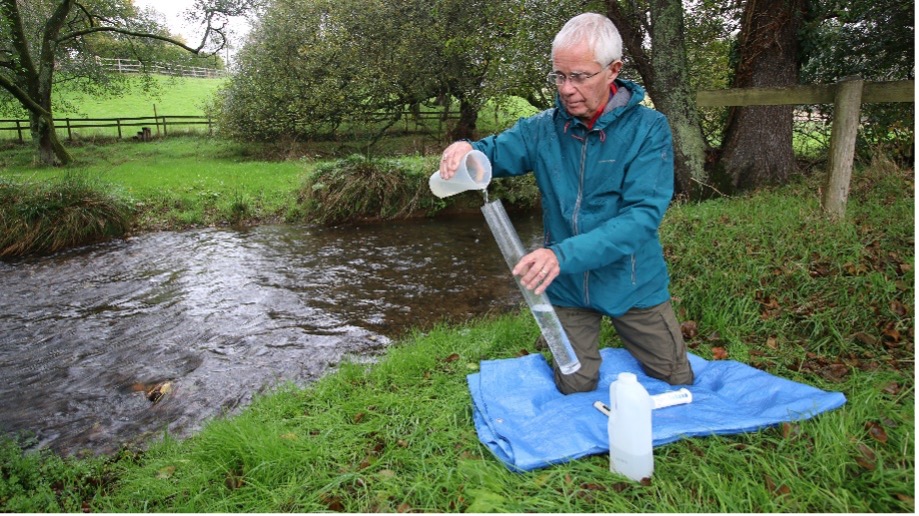
The Westcounty Rivers Trust is supporting several local CSI groups undertaking regular measurement of a range of water quality physicochemical properties. Over a few years this work builds up a long-term view of the waterway and our impact on its health. It also ensures that we have local people keeping an eye on the river who can assess and report possible pollution concerns.
The four key aims of the programme are:
- To educate and engage people with the water environment.
- To produce data that can be used to target work and identify degrading water bodies.
- To spot pollution events which can be dealt with as quickly as possible.
- And to create a network of catchment communities that are invested in their local environment.
Want to Get Involved in the WRT CSI initiative?
If you would like to get involved on CSI activities on the Erme, you can contact your local group:
Ugborough Rivers Group (Ludbrook)
Ermington (Lower Erme)
Modbury (Aylestone & Sheepham Brook)
Ivybridge WRT CSI volunteers and local coordinator needed. If you live in Ivybridge and would like to find out more, please contact our team.
Microbial Testing
Water quality testing is a vital aspect of monitoring within the Erme catchment and provides one method by which we can assess the status of the river and its wider catchment. It is important to recognise the limitations and scope of the testing that is done, before relying too heavily on the results to provide conclusive proof as to how ‘healthy’ the Erme is.
What is the Environment Agency doing?
The River Erme has two sites officially designated as Bathing Water at Mothecombe and Coastguards. This status was awarded in May 1988 and May 2024 respectively and means they are tested weekly for E.coli and Enterococci by the Environment Agency over the bathing season; between the 15th of May and the 30th of September.
2024 was the first full season of testing for Coastguards. When the Environment Agency (EA) announced the national Bathing Water results in November of that year, Coastguards was one of only two Bathing Waters in the whole of Devon to be given a ‘Poor’ water quality status. This meant the EA were then required to develop a plan to identify and investigate pollution sources and ensure the water quality is improved. To support this, they have been testing at Mothecombe, Coastguards, Holbeton, Ayleston, Sheepham and Sequers Bridge. Currently, this testing will only happen during the bathing season.
What is South West Water doing?
Because of the ‘Poor’ status of Coastguards, SWW are also required to work with the EA to develop a plan to significantly improve the current results. To do this SWW will have to conduct two days of sampling, throughout the tidal cycle, with the intention of building a better picture of how the tidal stage impacts water quality. They will also be testing water at Mothecombe, Coastguards, and upstream of Coastguards. The frequency of sampling and duration is not clear.
What is WATER doing?
WATER are keen to help feed into both the bathing water season sampling but also longer term monitoring. We have been awarded funds from Surfers Against Sewage to test water quality, at Coastguards, every week for one year (until May 2026). It is hoped this will develop a better understanding of water quality over the whole year. The EA’s ‘bathing season’ ignores the fact that many people use the water all year round for kayaking, paddle boarding and surfing as well as year-round swimming.
What are South Hams District Council Doing?
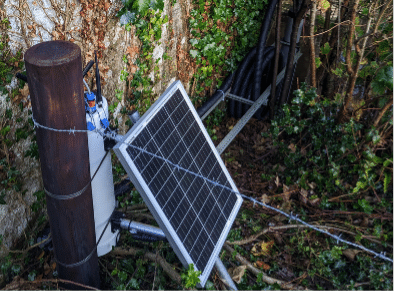
SHDC have a project running in collaboration with Valeport, a company that builds instrumentation for marine environments and the University of Plymouth. They are installing 6 sensors across the South Hams that will provide real-time continuous water quality readings. Test sites include the lower Erme.
How is water quality measured?
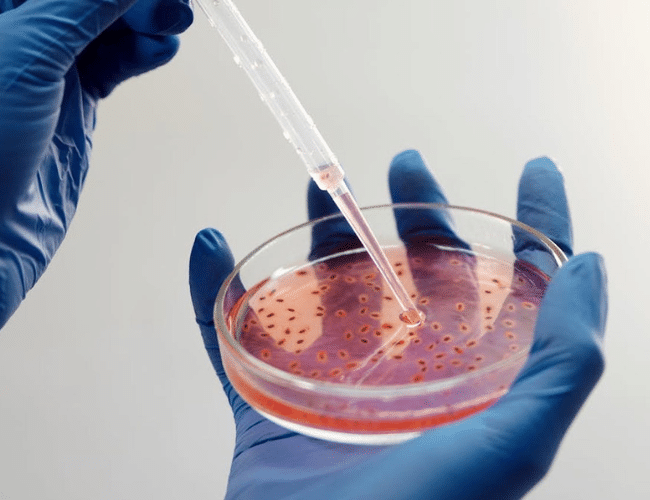
Both the EA and SWW undertake laboratory testing on water samples. This is done to measure the levels of E.coli and Enterococci in the water.
The Environment Agency tests for E. coli and intestinal enterococci in bathing waters because these bacteria are internationally recognised indicators of faecal contamination. Here’s why they are used:
- Indicators of sewage or animal waste pollution
Both E. coli and enterococci naturally live in the intestines of humans and warm-blooded animals. Their presence in water strongly suggests contamination from sewage, agricultural runoff, or other faecal sources. - Health risk markers
The bacteria don’t usually cause illness directly at the levels found in bathing waters, but high concentrations indicate a greater likelihood that harmful pathogens (viruses, bacteria, protozoa*) are also present. *Protozoa are microscopic creatures that live in water and soil, and sometimes inside other animals or humans. The pathogens link to risks of gastrointestinal illness, ear infections, skin rashes, and respiratory illness in bathers. - International standards
The EU Bathing Water Directive (2006/7/EC) and the UK’s Bathing Water Regulations require testing for these two organisms as the standard measure of microbiological quality. They are more reliable for reflecting health risks than older indicators, like total coliforms (bacteria). - Practical reasons
They are relatively easy and cost-effective to culture and measure in labs, making them suitable for routine nationwide monitoring
How is WATER testing its samples?
While lab testing of water is the wider standard, it also requires samples to be posted and tested in a lab within 24hrs of the sample being collected. This can be problematic for volunteers and therefore WATER is using a technology called Bacterisk by Molendotech, a company developed by the University of Plymouth.
Trying to obtain images of equipment from supplier. Images on their website are not up to date)
What is Bacterisk / Bactiquick
- The technology has been developed by Molendotech Ltd. (a University of Plymouth spin-out) as a rapid, portable test kit for assessing water quality.
- It uses endotoxin detection technology to give a “bacterial risk” estimate. Endotoxins are molecules present in the cell walls of Gram-negative* bacteria. Their presence indicates possible contamination by such bacteria. *Gram-negative bacteria react to a Gram stain identifying technique, typically by turning pink or red.
- Broader detection: Because endotoxins are present in many Gram-negative bacteria, the test can potentially indicate the presence of bacteria beyond just E. coli / enterococci (including some that traditional indicator methods might miss) thus giving a more general warning about bacterial risk.
Limitations / things to be aware of
- Not a direct measure of specific pathogens: The test doesn’t identify which bacterial species are present. It measures a proxy (endotoxin) which indicates risk but not specific organisms. For example, it does not tell you whether E. coli, Salmonella, Vibrio, etc., are present.
How is SHDC testing its samples?
SHDC has been working with Teledyne Valeport, based in Totnes, to develop a monitoring approach based on a suite of high-quality continuous sensors that can monitor physical chemical and biological change within the water.
Each individual sensor provides useful data; in combination, however, this is enhanced.
- Temperature/conductivity (calculated salinity)
- Tryptophan (an amino acid), fDOM (fluorescent dissolved organic matter) and Turbidity (cloudiness) – these work best when measured together, as the addition of fDOM and Turbidity reduces the likelihood of false positives in the Trytophan measurement.We hope in future to make our results available via our website/social media and will of course provide dates at our annual public meeting.
Flete Field Labs Mycelium Filters
Oyster mushrooms as water pollutant filters may seem an implausible idea, but testing by Flete Field Labs is showing just how effective this nature-based solution could prove to be in removing unwanted pollutants from watercourses.
The programme is supported by the University of Plymouth’s Faculty of Science and Engineering plus funding from The AIM Foundation and The Dixon Foundation.
How it works
The principle is that, like most organisms, mycelium needs nutrients to thrive. Suitable nutrients can often still be found in already-treated waste water being returned to water courses from Sewage Treatment Works.
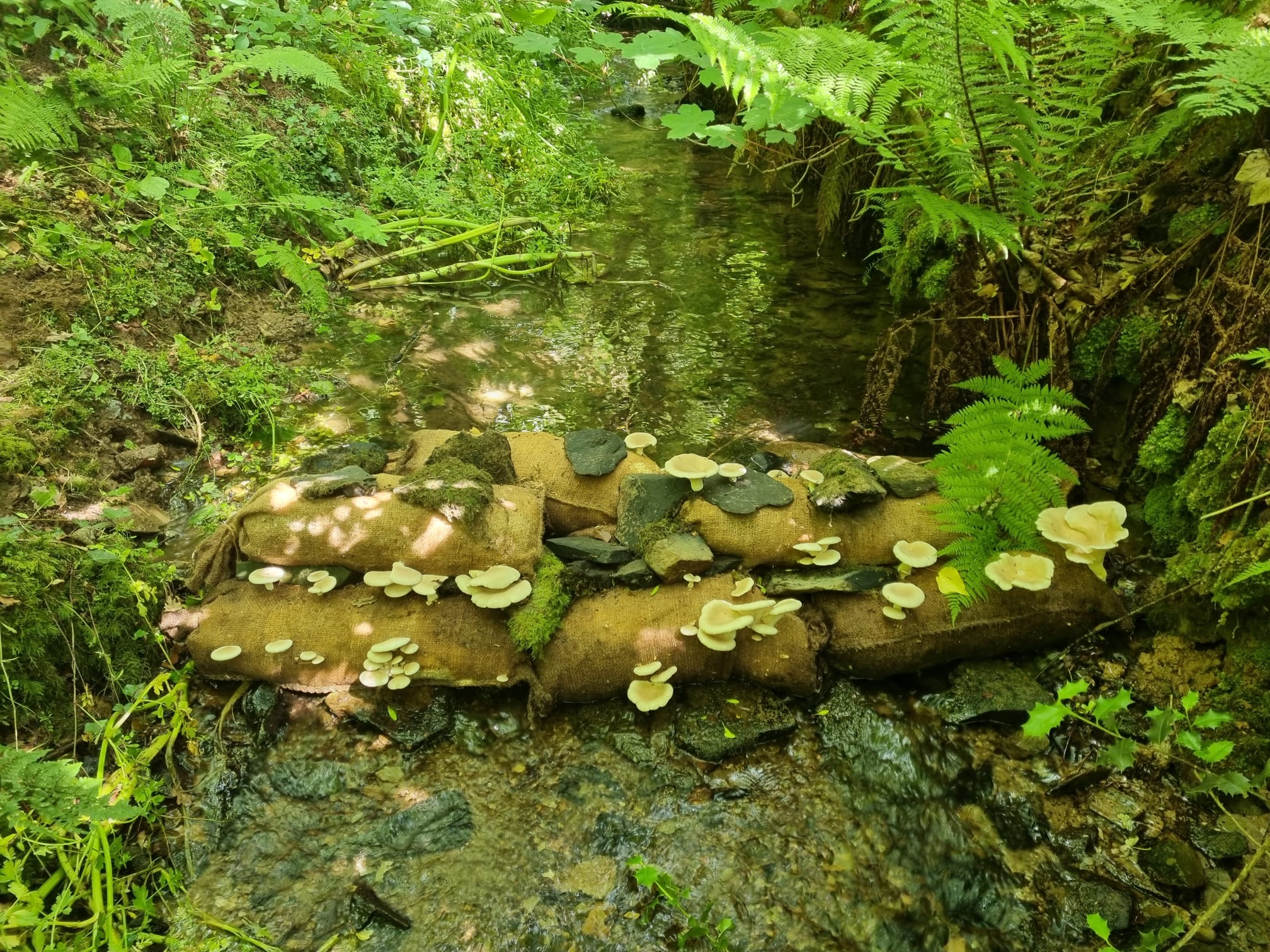
Permeable hessian sacks are filled with a moisture absorbent growing medium such as sawdust to which the spores of oyster mushrooms have been injected. The sacks are then minimally immersed downstream of a Sewage Treatment Works where treated water is being released into the natural watercourse to make its way to the river Erme.
The sacks are arranged across the stream to enable the nutrients to be absorbed from the water flow whilst forming a leaky dam or barrier across the stream that slows the water flow.
The growth of the mycelium is visible when white patches start appearing on the hessian sacks.
Testing and controls
Water testing carried out above and below the leaky dam of hessian sacks measures the before and after difference in water quality as a result of the mycelium absorbing unwanted nutrients in the water.
Control sacks, with no mycelium and with different inert growing mediums provide a baseline to compare results of water quality with and without the mycelium sacks.
Why oyster mushrooms?
Because they are known to thrive on these nutrients and the variety used is an indigenous species, so that even if they migrated into the wild they would be a natural organism in their normal habitat.
Although there’s extensive and positive results in laboratory conditions that prove fungi can support the wellbeing and cleaning of both soil and water, much more testing is needed in the real (and highly complex) world. Flete Field Lab are currently the only organisation doing these trials in real life in England – and the results so far, during our short summer trials, have shown up to a 47% removal of e.Coli in a small brook leading into the Erme River.
However, as with all pioneering work there have been some rather ‘bland’ results which showed limited significant impact. What Flete Field Lab will continue to do is to create small trials to expand our knowledge and understanding of this marvellous world of fungi whilst connecting folk to these natural wonders through workshops, feasts and fungal forays.
Trials are ongoing but results are very encouraging, even more so because this is a nature-based solution that is low cost, easily replicated and scaleable.
Flete Field Lab is always looking for volunteers! If you feel inspired, please send them an email. info@fletefieldlab.org You may enjoy helping with this work, as a volunteer said of a recent visit:
“It is truly inspirational to witness and take part in the Flete Field Labs mycofiltration trials. It’s rare to see such a small group of dedicated people addressing environmental issues like agricultural runoff and river water quality with such innovative solutions and partnerships!”
Ben Jennings, Restorative Aquaculture Consultant
Watch a video about the mycelium field trials here LINK
Learn more about Flete Field Labs here www.fletefieldlab.org
How you can help
There are many ways you can help us protect and restore water quality and habitat in the beautiful river Erme. To find out how, just click SUPPORT US